Sustainable clothing has been increasing in popularity recently due to the negative impact fast fashion is having on the environment and the global concerns around manufacturing and fair trade. If you have been considering a more sustainable wardrobe, here are some essential tips to get you started.
Organize Your Closets
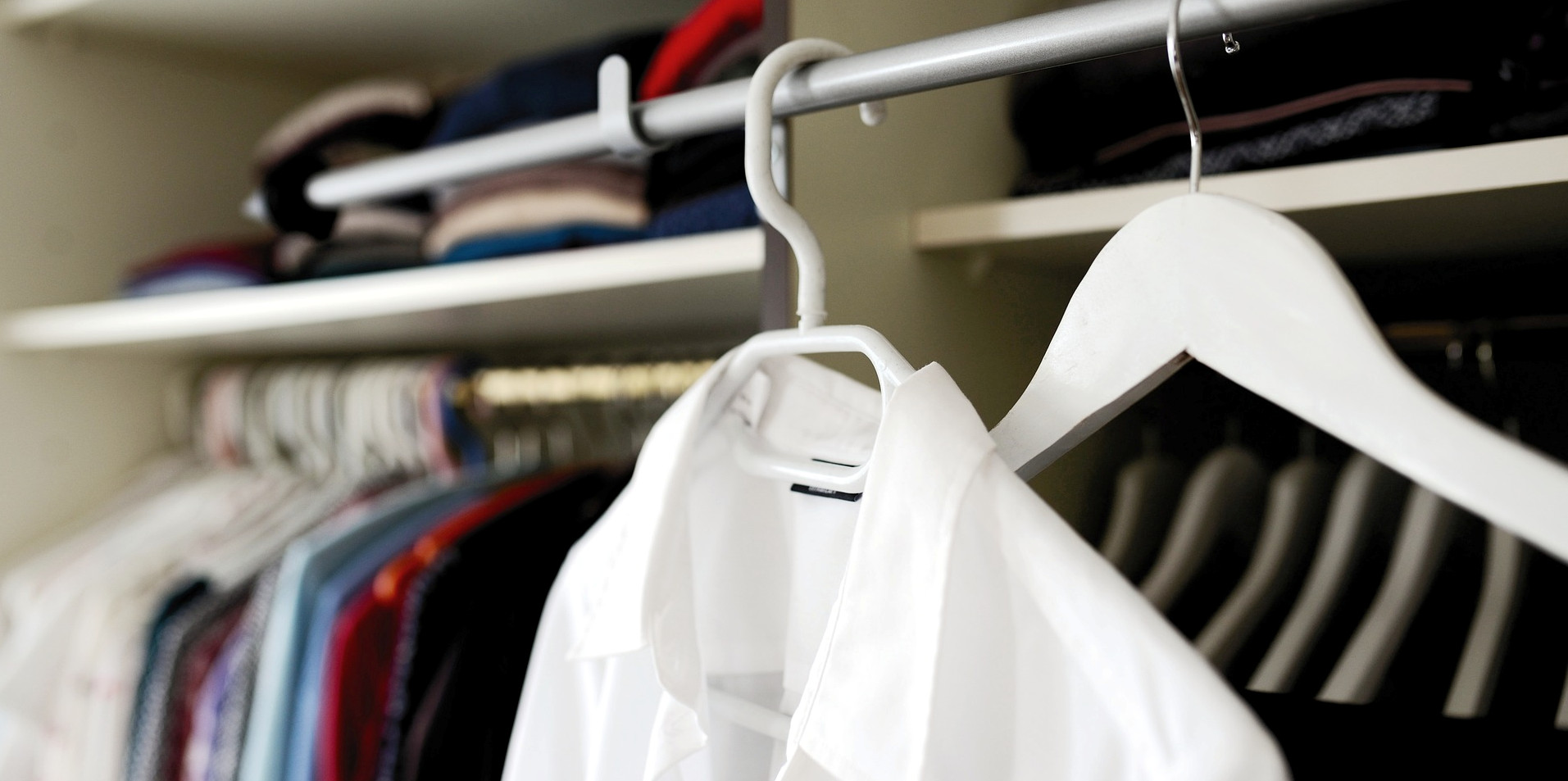
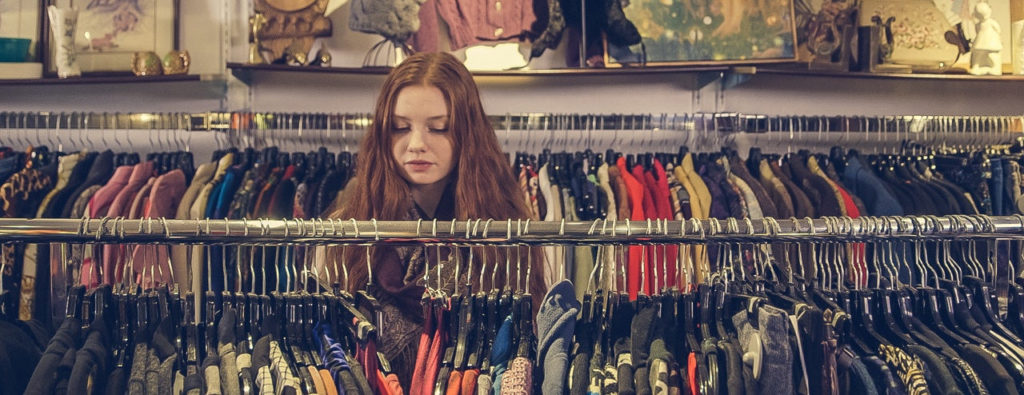
If you can see what is in your wardrobe, you know what you have. This may sound simple but how many times have you gone shopping only to return with an item that is similar to something you already own? This is a waste of both time and money, but it wouldn’t be as likely to happen if you had organized your wardrobe.
Learn From Your Mistakes
Most people have made mistakes when it comes to clothes purchases. The size is wrong, the color doesn’t suit you, or it is not a good length on you. Whatever it is, the chances are the item will stay in your wardrobe unworn until you recycle it. If you learn from your mistakes, you won’t make them again and your wardrobe will become more sustainable because you will likely wear everything in it.
Donate and Buy
Charity shops used to be the domain of impoverished students but that is changing rapidly as people become more aware of the downside of fast fashion and are moving towards a sustainable wardrobe. One of the best ways to reduce the damage to the environment is by recycling unwanted items and buying from this source too. This means that your new clothes won’t do any further damage to the world we live in, and you can purchase some fantastic clothes for a fraction of the price.
Borrow Clothes
If you know you are only going to wear an outfit once, there is no point in buying it new. Ask your friends if they have anything suitable that you can wear to an event, and swap clothes between you when you want to wear something new. That way, you always look like you are wearing something new without having to buy it.
Rent
A similar idea is to rent your clothes rather than buy them. This is especially popular with designer items that rent well because people want the latest fashions without having to break the bank. This is also a fantastic way to acquire one-off clothes like that designer cocktail dress for an important work function or even a wedding dress.
Check the Label
If you are going to buy new clothes you should be aware of the brands you are buying as some are more environmentally friendly than others. Ganni dresses are renowned for their environmental conscience and sustainable fashion from Ganni looks fantastic too.
For intimate items that really need to be purchased new, Faerie’s Dance has an amazing selection of organic cotton bras and organic lingerie.
Care for Your Clothes
It makes sense that if you care for your clothes they will last longer and not end up in landfill as quickly. Washing them less frequently and at a lower temperature can make an enormous difference to their longevity. You should also consider whether you need to buy dry-clean only clothes as the chemicals they use can be harmful to the environment, and your clothes.
Opting for a sustainable wardrobe does not have to be difficult. Use these essential tips to create the eco-friendly wardrobe of your dreams.
Today, the world of fashion is revitalized as it seeks to confront the footprint that it has left on earth with the rise of eco-fashion.
Eco-fashion, or sustainable fashion, has caused many brands to shift how they approach the operation of their entire business — from manufacturing to marketing. As fashion is responsible for up to an alarming 10% of greenhouse gas emissions across the globe, brands strive to cut CO2 emissions by reducing overproduction and waste, supporting biodiversity, and making ethical sourcing and production choices.
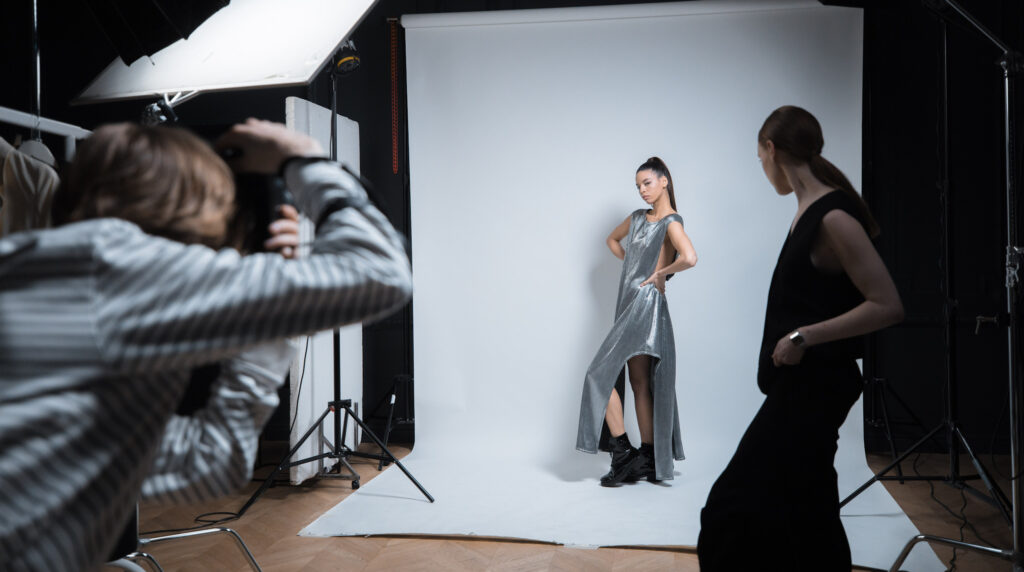
In this new dawn in the fashion industry, photographers and influencers are key players. While not directly involved in the CO2-emitting production processes of clothes, they are critical messengers that give shape and form to the advocacies and sentiments of the industry. As eco-fashion continues to grow so too should the eco-fashion photographer and their models rise to the challenge. Here are some tips on how to incorporate sustainability into your work.
1. Invest in Highly Durable Equipment
Before becoming an eco-advocate, you first need to practice what you preach. As a photographer, one way to become more eco-friendly in your line of work is to invest in durable equipment that will last a long time. This reduces your carbon footprint (and saves you a lot of money!). To this end, mirrorless cameras are highly durable as they have fewer moving parts than DSLRs. Many of them also use electronic shutters which further reduce the chance of breakage. You can also use secondhand cameras to reduce e-waste.
2. Work with Sustainable Brands
As a professional photographer, it’s important to choose carefully which brands you partner with by making sure that their sustainability goals and practices align with yours. Fortunately, many smaller brands these days are incorporating sustainability into the very root of their businesses. This results not only in unique and dynamic designs that show up great in shoots, but will help you promote the eco-agenda as well. Be sure to incorporate eco-friendly jewelry in your shoots, which makes use of recycled materials and natural substances like nuts and clay to create unique pieces that represent sustainability.
To know which brands are genuinely upholding sustainable practices, check their story and mission, previous campaigns, and even their environmental, social, and corporate governance data report if it’s publicly available.
3. Incorporate Pre-Loved Clothes in Your Shoots
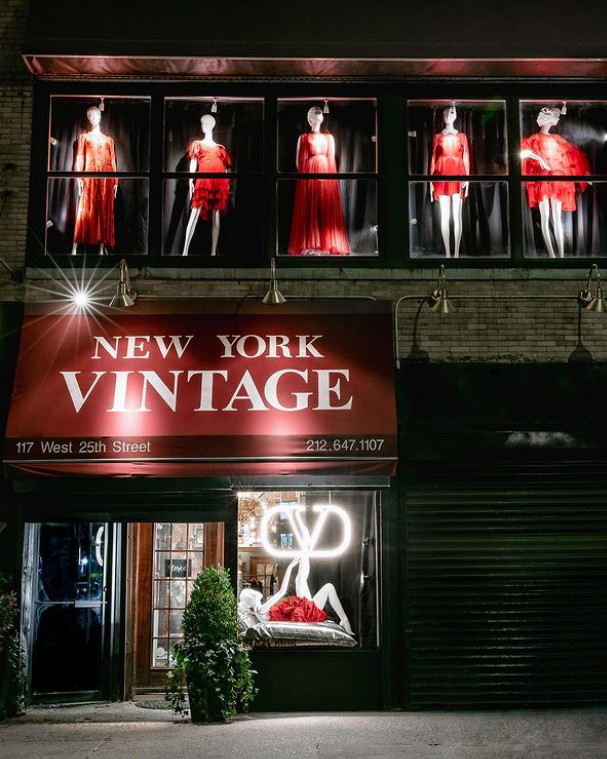
Other than being a sustainable habit, incorporating pre-loved clothes into your work helps you create standout and versatile looks for a cheaper price. You may even encounter vintage pieces no longer available on the market. Beyond this, renting pieces extends the life of clothes by up to 9 months, reducing their carbon, water, and waste footprints by around 20-30%. As attitudes towards secondhand clothing change, iconic brands like Valentino have also begun getting creative through giving their vintage pieces a second life, highlighting the glamor in vintage.
4. Capture the Production Process
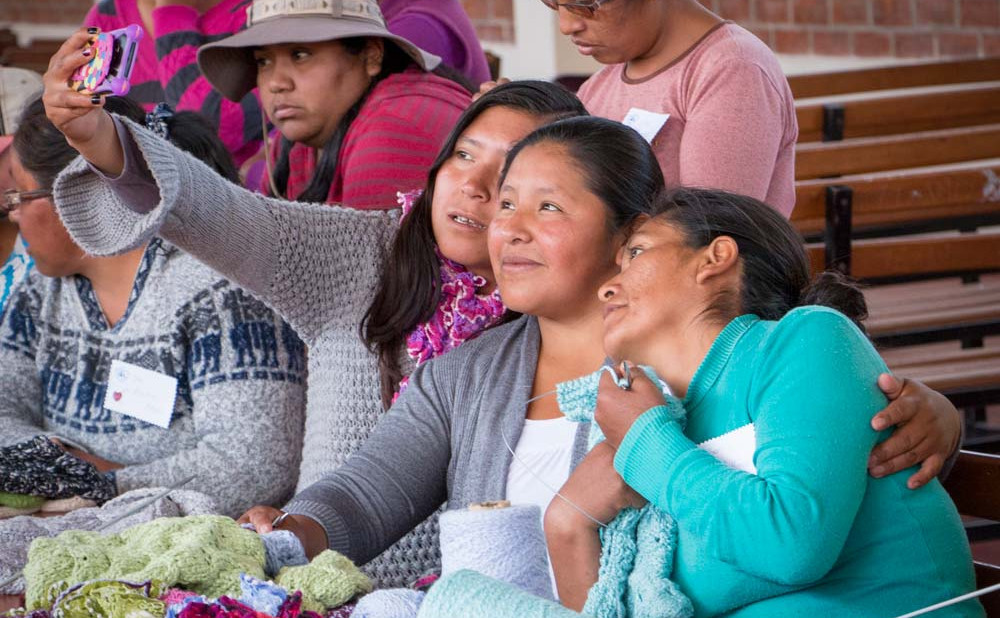
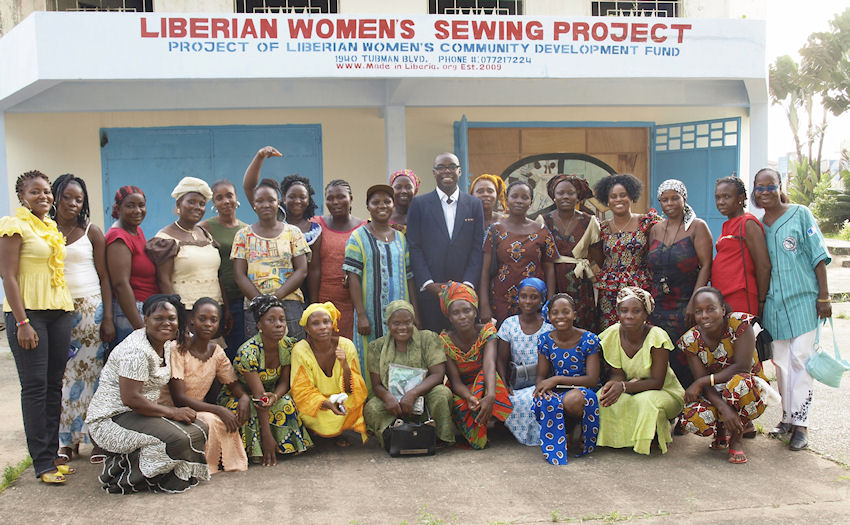
One of the biggest challenges to sustainability is the lack of recognition for the abusive working conditions that many workers face in factories. But as a photographer, working with sustainable and ethical fashion brands may allow you to showcase what positive production environments look like by drawing focus to the workforce and the process behind the fashion you shoot. This image from Indigenous Designs highlights the artisans at the heart of their Fair Trade fashion production.
Not only does this help celebrate the people and the craft behind the clothes, but it also helps build consumer trust for the brand.
5. Make a Statement with Your Platform
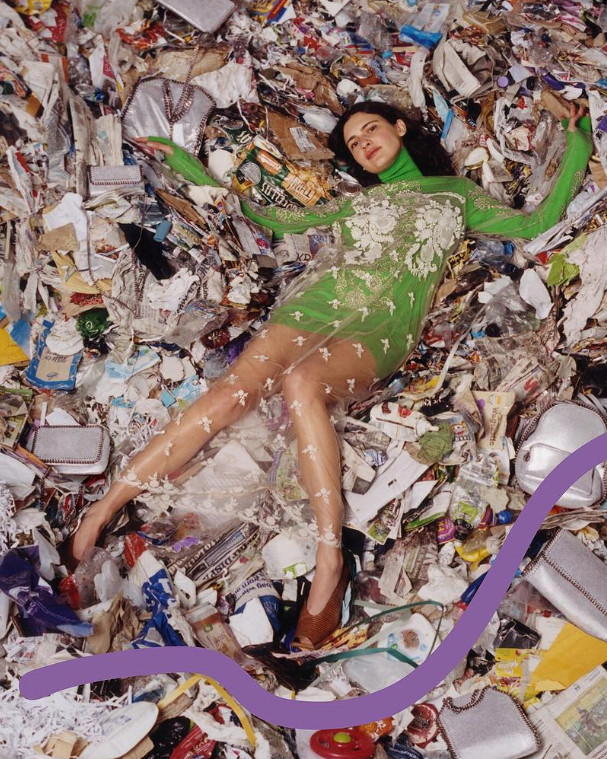
If you’re going to work with innovative fashion produced with great sustainability, then you should match it with a concept that reflects its impact. This is what Stella McCartney did in 2017. Working with photographer Harley Weir, their campaign photoshoot drew attention to the waste generated by fashion. Don’t be afraid to get creative and incorporate striking novel elements.
Being an eco-fashion photographer can be a rewarding experience when you give purpose to your art. By incorporating sustainability in everything from your gear and partnerships to your art direction, you can effectively call attention to the beauty and vitality of eco-fashion.
Modern eco-fabrics like soy and bamboo offer a wonderfully soft finish and convenient stretch properties that make them popular as alternatives to polyester and spandex (elastane). These sumptuous textiles are also popular for intimates like lingerie, flattering stretch tops, and flowing spring and summer skirts.
While the elasticity of soft eco-fabrics is a treat to the eyes as well as the skin, it can also give the garments a tendency to stretch. You’ll often see them marked as “delicate” or “hand wash only” — a difficult proposition in today’s fast-paced world. If you’re a fan of bamboo and soy apparel and want to help your garments last, here are some practical tips for keeping them in tip-top condition for as long as possible.
1. Wear More, Wash Less
The number one way to help your delicate fabrics last longer is simply to wash them less frequently. Of course, when we’re talking about underwear, you definitely need to wash the garments after every use! However, for things like skirts, cardigans, or even tops, it’s often enough simply to air out the piece and wear it again the next day.
2. Take Advantage of the Delicate Cycle
When the time comes to wash the clothes, delicate stretch fabrics require special care. Rather than simply throwing them in with everything else, wash these delicate items separately with cold water on the “wool” or “hand wash” cycle, which exposes the garments to far less friction. Some brands explicitly recommend not mixing these items with other fabrics, for the reason that the other fabrics could cause them to pill.
3. Use Wash Bag with Eco-Fabrics
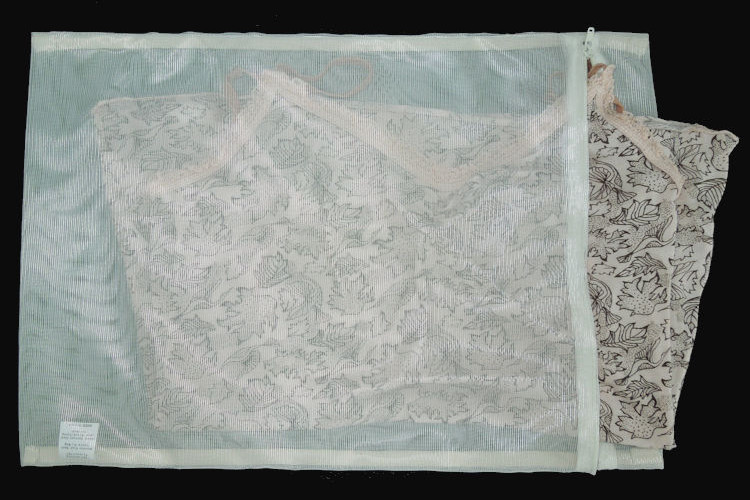
Aside from using the gentle cycle, wash bags are your best friend when it comes to conserving the shape of your specialty clothes. We’ve probably all had the experience of opening the machine to find that our clothes (sleeves and pant legs, especially) have all become entangled. This is something you simply can’t afford when your delicate clothes could get pulled out of shape. Instead, turn the garments inside out, soap up any smelly bits by hand, and put each garment in an individual wash bag before placing them in the machine. This is also true for lacy garments as the lace often pulls or tears in the washing machine.
4. Dry Flat, Store Flat
Gravity is your worst enemy when it comes to delicate stretch garments. To prevent stretching as your garments dry, lay them out flat or at least folded in half to minimize the force of the water weight on the clothes. When putting the dry garments away, fold them and lay them flat rather than hanging them up — as well as preventing stretching vertically, you’ll avoid those unsightly “hanger shoulders!”
5. The Effort Is Well Worth the Reward
It might take a little additional work to give your eco-fabrics the TLC they need, but you’ll find that they hold their shape and maintain their soft texture much better over time. Thinking in economic and environmental terms, you’ll also save money on replacement pieces and reduce your contribution to landfills as well.
At Faerie’s Dance, we’re all about the delight that well-made, environmentally responsible clothing can bring. And sustainable stretch fabrics add so much to the range of fashions available to conscious shoppers today. Browse our collections of bamboo men’s underwear and sustainable women’s clothing to discover sumptuous soft stretch styles today.
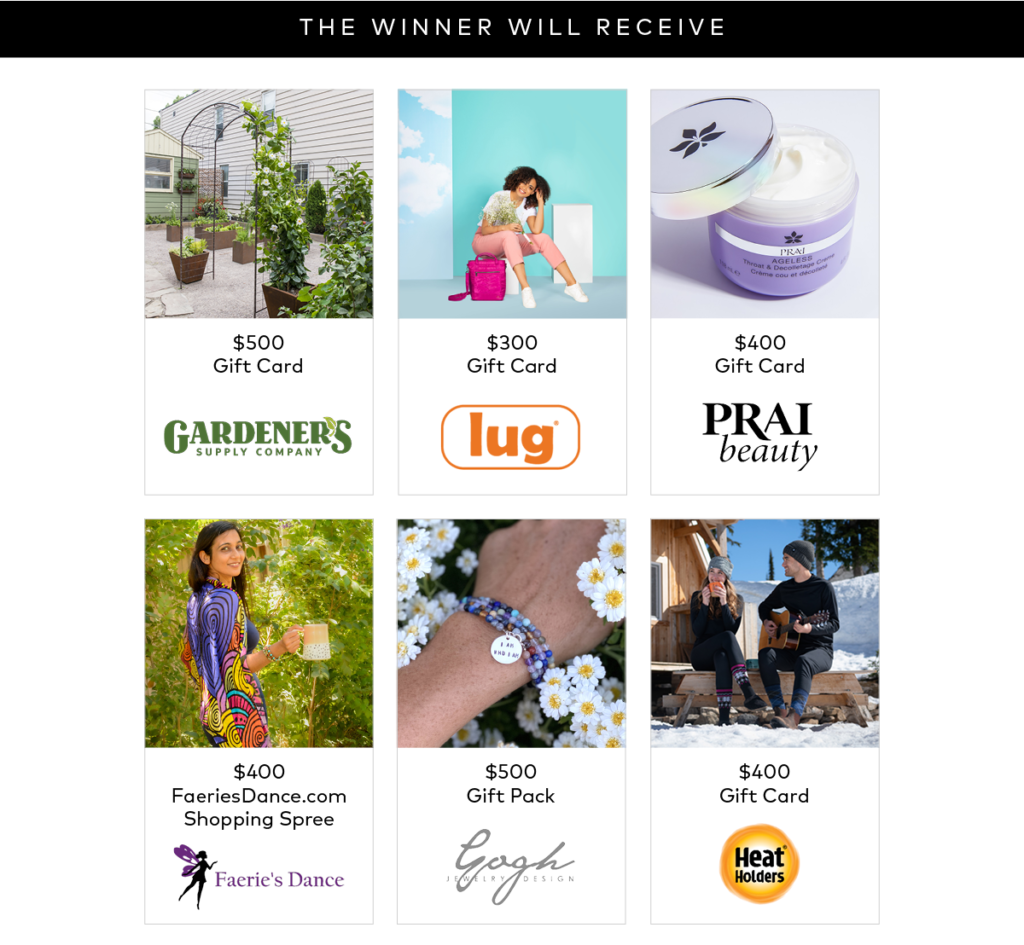
It’s our biggest giveaway ever! We’ve teamed up with FindKeep.Love and 5 other companies with conscience to offer an amazing $2500 gift package that will get you into a “Zen State of Mind.”
FREE TO BE
Enter to win gift cards and prizes for sustainable, eco-friendly clothing, inspiring jewelry, gardening supplies, functional bags, skincare solutions, and toasty warm socks.
As a bonus, every single person who enters the sweepstakes will get a special offer directly from us! Shhh… the special offer is a secret, but enter the contest and you might get a little something extra for your organic lingerie drawer.
Click the button to get started and good luck!
No purchase necessary to enter. Void where prohibited. Eligibility and Sweepstakes subject to Official Rules and Consumer Disclosure.
Since 1970, April 22 has marked the celebration of Earth Day. Set to coincide with Arbor Day — a day dedicated to planting trees — Earth Day was initiated as a way to bring together the various groups that were working on environmental issues and create a day focused on putting sustainable living ideas into action.
Whether you’re reading this article ahead of Earth Day or simply want to do your bit to help the planet, here are our top seven sustainable living tips for celebrating Earth Day, every day.!
Sustainable Living Tip #1: Get Out in Nature
Sustainable living ideas start with a love for nature and a desire to protect it. But you can’t love nature if you spend all of your time indoors. As the Chinese philosopher, Lao Tzu said, “Love the world as your own self; then you can truly care for all things.”
The single best thing you can do to help this earth flourish is to go outside and take a walk, visit a national park, adopt an area as your own, and really get to know it. As the seasons pass and the landscape changes, you will become much more attuned to the cycles of nature and find that you start caring more about the local environment as well.
Deer Visit the Faerie’s Dance Warehouse
Sustainable Living Tip #2: Watch Wildlife
The second tip on our list of sustainable living ideas is an easy way to derive even more benefit from your time in nature. Whether you choose a kind of animal to watch (birds, insects, etc.) or simply wait and see what crosses your path, spend some of your time in nature simply staying still and watching.
When you go outside, take a bird-identification book with you or make a sketch to look up when you get home. As you learn to recognize several species, you could even keep a log of the wildlife that you see on your wanderings. These logs provide valuable information about the wildlife in your area and how the numbers change over time. If you would like to promote sustainable living ideas in your community, you could volunteer with a conservation group that documents wildlife sightings for the purpose of advocacy and planning.
Sustainable Living Tip #3: Pick Up Trash
Ultimately, spending time in nature will open your eyes to the impact that humans have on the environment. For some, sustainable living ideas might mean taking a bag and pair of gloves to pick up trash in your local area. For others, it could mean taking shorter showers, turning off the lights at home, and only printing things out when you really need to.
Every action counts, and not just because of the cumulative effect that enacting many sustainable living tips can have over months and years. Each action you take is also serving as a reminder to live lightly and thoughtfully — and that has benefits for your own well-being as well as your relationships with others!
Sustainable Living Tip #4: Plant a Tree
Seeing as Earth Day falls on the same date as Arbor Day, what better excuse to plant a tree? Trees provide oxygen, shade, soil stability, habitat, and can transform a barren area into a lush retreat. Whether you have a yard of your own or only a small balcony, adding trees of any size to your space will improve the air quality and can even lower the ambient temperature. It can also provide important nourishment for local insects, including bee populations and other important pollinator species.
Make sure to see these sustainable living ideas through by caring for your trees until they are well established. Planting a tree is one thing, but you will also need to water, mulch, prune, and fertilize each tree at the right time to help them grow healthy and strong.
Sustainable Living Tip #5: Grow a Garden
Food transportation accounts for around 11% of our carbon footprint, and the actual production of that food accounts for 83%. If you’re looking for sustainable living ideas to help the planet, growing a garden is a fantastic thing to do. By growing some of your own produce, you are cutting your food miles to essentially zero, and you will be eating pesticide-free, seasonal produce. Besides, who doesn’t love the taste of a homegrown tomato? Yum!
Sustainable Living Tip #6: Green Your Diet
Those of us who don’t have a balcony or the time to care for a home garden can make a difference with sustainable living ideas like shopping organic, seasonal produce and reducing the amount of red meat that we include in our diets.
According to experts, high-meat diets produce 3.3 tons of CO2 emissions per year compared to 2.5 tons for an average diet, 1.9 for white meat only, 1.7 for vegetarians, and 1.5 for vegans. By switching from red meat to free-range chicken and fish, you can lower your food emissions by nearly a third overnight. By going from meat-loving to vegetarian, your food-print is slashed almost in half!
Sustainable Living Tip #7: Choose Conscious Consumption
Everyone needs to buy things in order to live, and there are very few people who don’t love a bit of retail therapy! Enjoy the fun without the harm by implementing sustainable living ideas into your shopping habits. Here are a few sustainable living tips for the conscious shopper:
Choose FSC-certified and recycled paper and wood products.
Whether you’re looking for sustainable living ideas or wanting to browse cute, eco-friendly clothing, you can find endless inspiration at Faerie’s Dance. We go to great lengths to source the most socially and environmentally responsible clothing, ethical lingerie, jewelry, and eco-friendly accessories and offer each item to our customers at less than the recommended retail price.
Browse our collections this Earth Day and enjoy knowing that by following these sustainable living tips and purchasing ethical, eco-friendly items, you’ll be doing something great for the planet we all share!
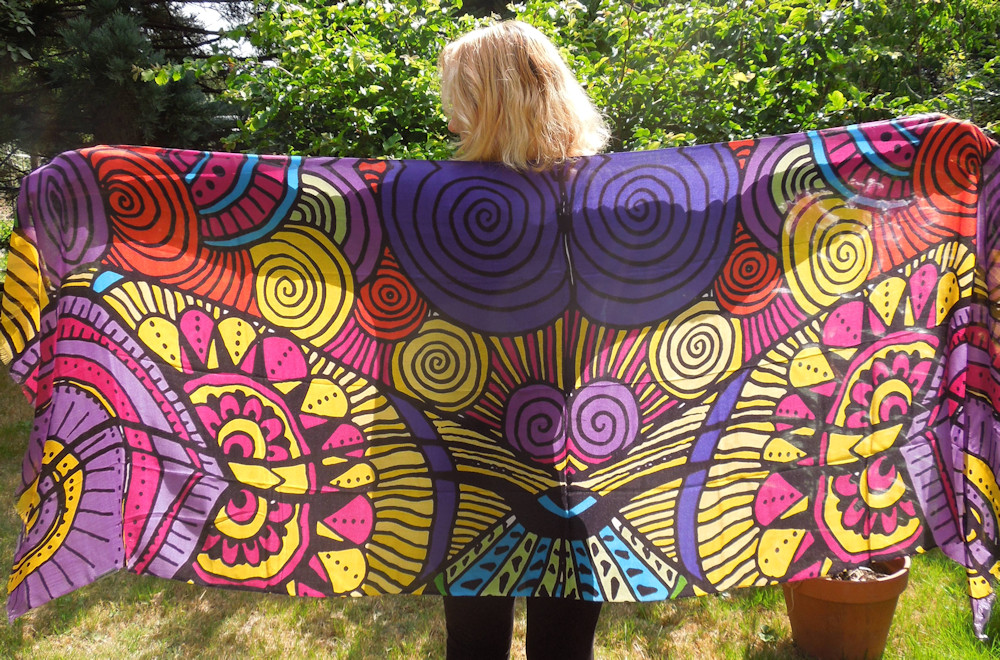
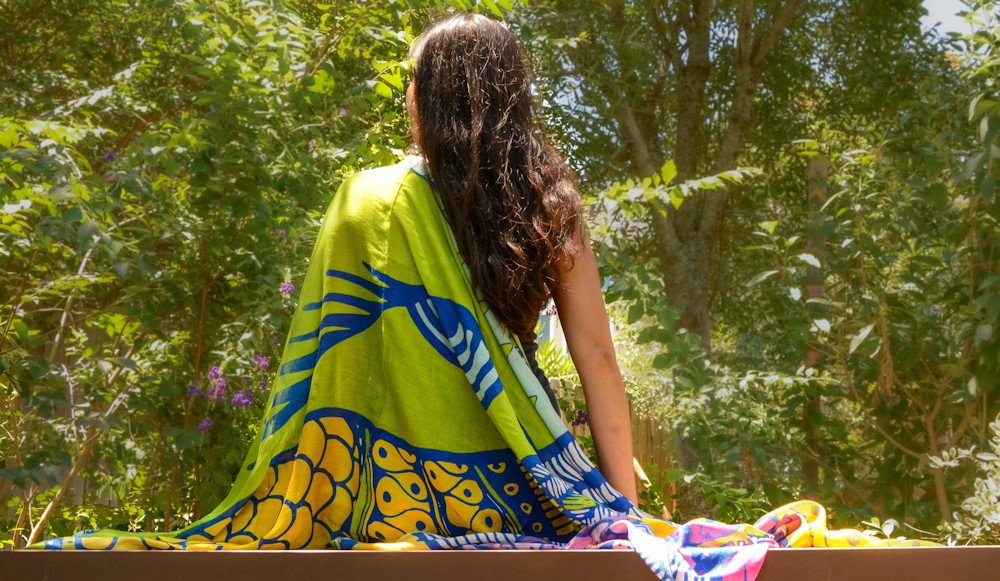
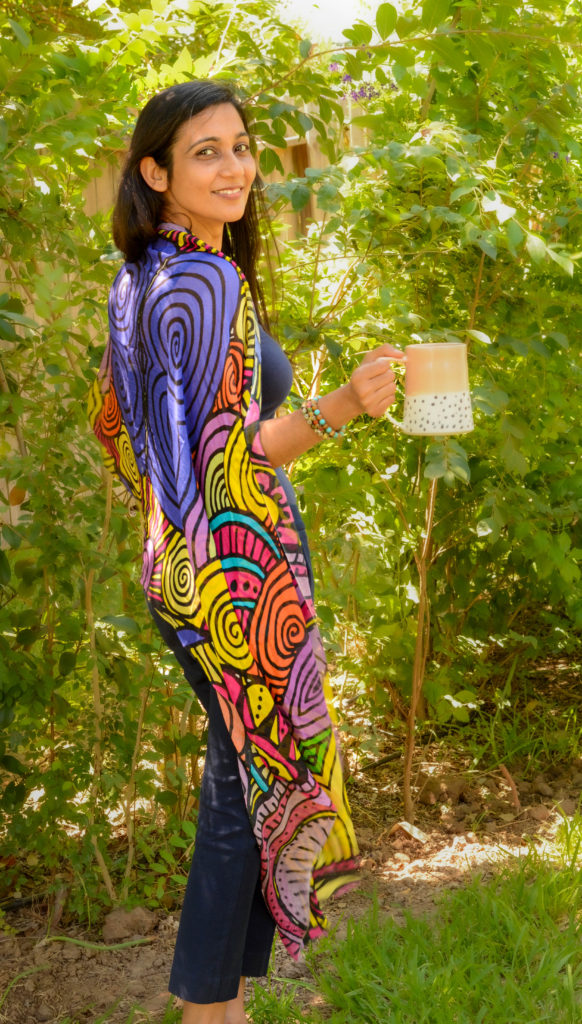
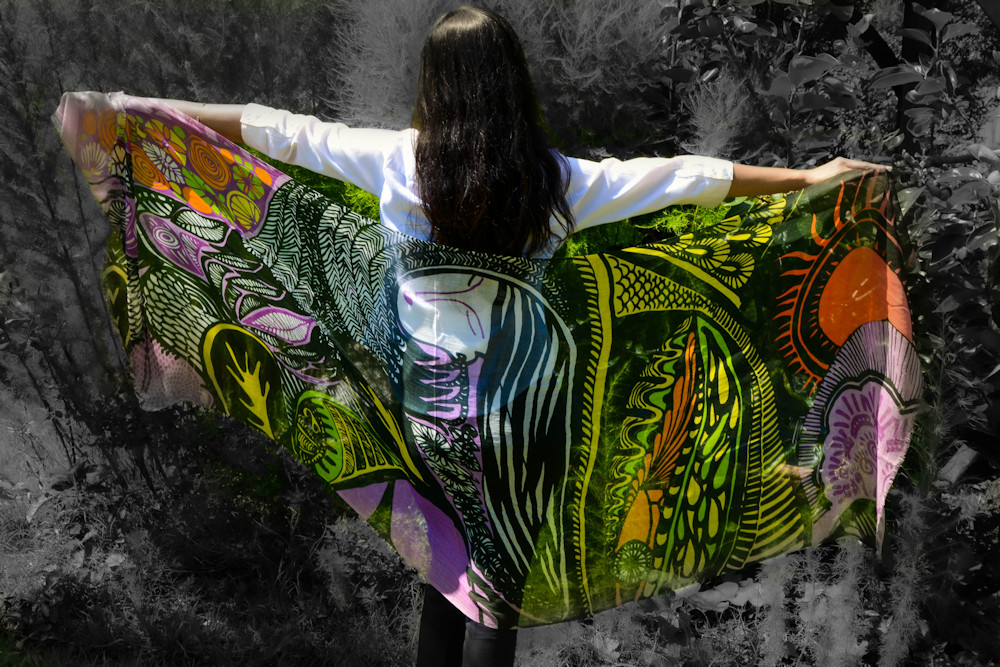
Loveleen Saxena’s “Bold Spirals” Scarf Shown Full Width
We love fashion, sustainability and ART! At the 2019 Sustainable Fashion Forum in Portland, we met artist Loveleen Saxena, and fell in love with her pen and ink drawings. For the last few months, we’ve collaborated to bring you her bright, bold artwork printed on sustainable modal scarves using low-impact water-based inks.
Our first four art-inspired scarfs are online now. We thought you might want to know more about the artist and this fantastic alliance. So we sat down with Loveleen to talk about what inspires her.
Faerie’s Dance: Can you tell us a little bit about yourself?
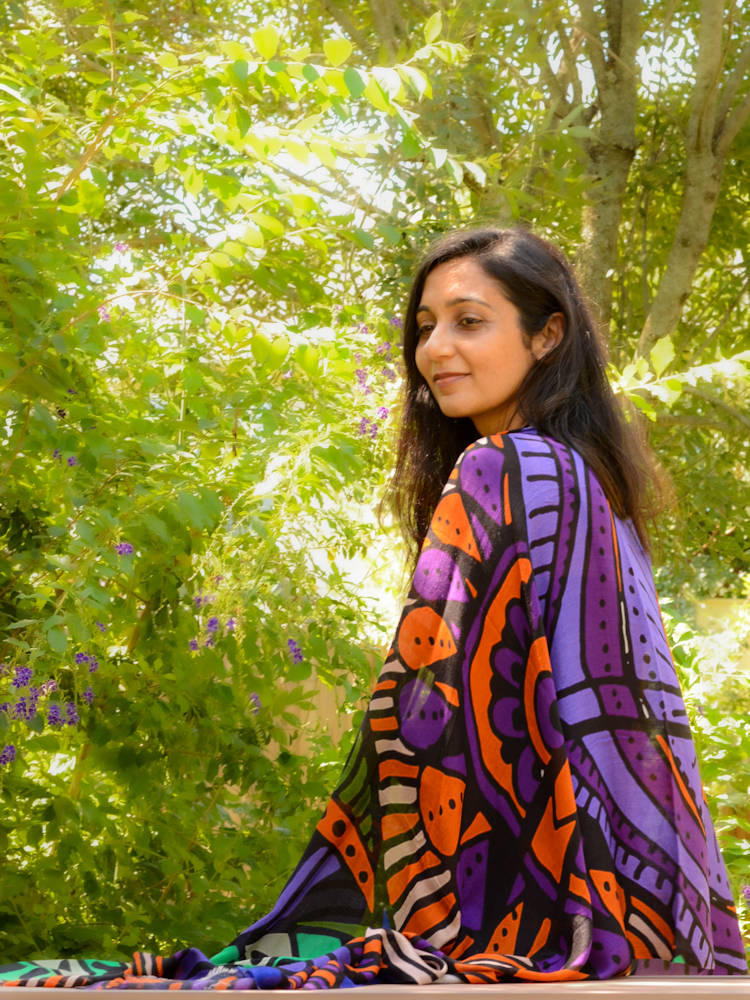
Loveleen poses in her “Spirals and Circles” art scarf
Loveleen Saxena: Hello everyone! I am a self-taught artist based in Katy, Texas. I have been dabbling in art since I was a kid. Creativity has always been a part of my life and career. Getting my education in architecture and construction fostered creative expression in a different way for me.
FD: How long have you been creating art?
LS: I rediscovered my love for art six years back when I started carrying my journal during lunch walks in Downtown Houston, while working in my corporate job. And I haven’t stopped since then.
First few years I made art to de-stress. And I loved sharing my work online. I never intended to become a full time artist. In 2014, my husband and I took a seven month backpacking trip to ten countries. That was a game changer. It gave me the courage to continue following my heart and live a purposeful life. Life that is in alignment with my truth.
So when we came back, a year later I decided to leave my career in construction and dive full time into art, along with starting a business with my husband.
It’s been a beautiful and unique journey so far!
I can say creativity is my meditation. My spiritual practices and creative expression have helped me learn so much about myself.
And that’s what inspires me to create everyday. So I can share those nuggets of wisdom with everyone, through my art. My vision is to awaken our inner joy, to spread love and see beauty in simple things. And I feel so grateful I’m doing that everyday.
Loveleen shows off the “Sleeping Beauty” Scarf
FD: Where do you create most of your art? Do you have a home studio, or prefer to work outside in nature?
LS: I have a home studio but my entire home is my workspace! Some days I work in our backyard, some days in the dining area and some days in my studio.
I just take my pens and paper and find a spot that calls me that day. I find it so freeing to create when I feel inspired. Be it a coffee shop, during my bus rides, in the plane or train, by the beach, in the park and even while I’m in a waiting area.
I do love working outside in nature the most. Especially during mornings. Making art while listening to birds is a precious experience.
FD: Are there particular places or things that inspire new designs for you? Where does your inspiration come from?
LS: Nature is my biggest inspiration. Hanging out in our backyard and talking to our trees is one of my favorite things to do.
But my spirituality is the force that brings out new designs on paper. Without my spiritual practices I don’t think I would create the way I do now.
My drawings express and celebrate nature, our connection with everything in the Universe and lessons that we’re here to learn in the school of life.
When I create, I am not Loveleen – the artist anymore, I become a vehicle to let the Divine wisdom and creativity flow through.
Loveleen enjoys a cuppa wearing the “Bold Spirals” artwork scarf
FD: Are there particular artists or art styles that influence your creations?
LS: There are few artists and illustrators that really inspire me. One of them is Lisa Congdon, another self-taught artist who began her creative journey in her 40’s. It’s her stories and her journey to become a successful artist that inspire me to continue on my own journey. Then there is Lizze Snow. Her pen and ink work is amazing and I learn so much from seeing her work.
FD: All of the designs we currently see are line drawings, is this your preferred method of creation or is this just what calls to you at the moment?
LS: It’s been my preferred method for the past 6 years. Although I am not fixed upon using it only. I dabble with acrylics and even mixed media. I love pen and ink because I feel more in the flow with this medium. Plus this medium gives me the freedom and simplicity to create wherever I am. That’s how I started, making doodles in my bus ride. My favorite pens to use are Sakura microns.
FD: Does your color inspiration come after the work is finished or do you have colors in mind as your creating?
LS: Both. In my bigger original pieces I start with color and then draw over it. And in smaller pieces, I typically finish the drawing and then play with colors.
FD: Do you have a personal favorite art piece of yours?
LS: Oh I love every piece that flows through me. They might not be perfect in a traditional sense, but I love them because with each piece I grow a bit more.
There are a few which are extra special because I clearly remember when I created them. One of them is called “Journey of Life”. I created it on my birthday, a few years back. I love it because it captures my inner growth throughout the years. And I feel it’s the growth we are all going through, no matter how unique our journeys may be.
FD: Do you have a personal favorite art piece from any other artist?
LS: It keeps changing as I change 😀
“Inner Beauty” art by Loveleen
FD: Have you ever considered printing any of your artwork on other clothing pieces? I personally would love to see your “Inner Beauty” on a skirt!
LS: Yes I have! It’s my vision to collaborate with brands and designers and have my art on their beautiful and sustainable clothes, such as dresses and skirts.
Right now I’m working with a small startup for the art printing, and I use the options that are offered by them, which are limited.
FD: On your blog you wrote “I barely shopped from 2015-2018 because I wanted to invest in pieces that match my values (sustainable, ethical, fair trade).” How do you shop differently now to ensure your values are reflected in your choices?
LS: Oh it’s completely different how I shop now! Before shopping was a therapy for me. Now it’s only when I need something that I shop. Many years back going to the mall was an adventure. But I don’t do impulse shopping anymore. In fact, I don’t feel the desire to do so anymore.
And since it’s more challenging to find sustainable options in the shopping malls, I mostly shop online.
I research brands, read their mission statement and their practices. I follow them on social media. I read blogs and reviews to get a feel for their brand. I have a few favorite brands now, and I am on their email so if I come across something that I love, I invest in it. I have added Faeries Dance to my list too!
I only shop a few times a year, even less. And when I do I invest more in sustainable pieces.
FD: Sustainable, ethical clothing does cost a little more (and it should since workers are being paid fairly for their labor and environmental impacts are priced into the garments rather than being something for governments to deal with later). Do you have a strategy to afford new items like saving up to buy pieces or filling in gaps with thrift finds or budgeting for clothing?
LS: My shopping style and strategy has shifted tremendously in the past few years. I use what I have in my wardrobe to it’s maximum life. And I shop only when I intuitively feel the need of certain things. When I get that feeling I start looking for sustainable options. I buy versatile pieces – colors that complement each other and pieces that I can wear on different occasions. So I do invest more in each piece because I know their true value. I do always have a certain budget in mind so I stick to that, unless I find something that really makes my soul dance!
FD: What is your favorite wardrobe piece and why. What calls to you in fashion?
LS: While my go-to wardrobe pieces include jeans and tee, my favorite are scarves. And lately my modal scarves.
I have loved scarves for a long time because they’re the most functional pieces in my wardrobe. I can dress up by adding a scarf, I can cuddle in them when I’m cold. Scarves are something I wear no matter what season.
Fashion for me is what can bring out my inner beauty. Comfort, ease, versatility and sustainability are the few things that I go for. I go for things that light me up. Pieces that can bring out my true essence. Pieces that feel right when I wear them. Lately the sustainable pieces I have invested in do that for me. Because I know their true value plus they resonate with what I stand for – living in harmony with our own selves and with the environment.
FD: Is there anything else I haven’t covered that you would like to add?
LS: If you want to learn more about my work or my creative journey check out my website www.loveleensaxena.com
In 2009 we started The Eco-Fashion Philosopher with this very question. By 2019 the terminology has gotten more complex rather than less. Is “eco-fashion” the same as “sustainable fashion”? What about “Ethical Fashion” or “Slow Fashion”? Ten years on, and the need to clarify is more prevalent today than when we started. Let’s take a look at these terms and what they all mean.
“Eco-Fashion” Explained
Eco-fashion describes clothing produced with minimal environmental impact.
When people talk about “eco-fashion”, they are generally referring to the ecological impact that fashion has in the world. At Faerie’s Dance, we look at four factors when determining if a garment meets the “eco-fashion” label:
Just to be clear, though, conventional fashion is a dirty business. Exactly how dirty is hard to quantify because fashion touches so many different things such as water chemical pollution, ocean plastic pollution, soil pollution, carbon emissions, petroleum usage, desertification, and on and on. Entire movies have been made about fashion industry pollution. Check out this documentary preview on river pollution for a quick look into some of the main issues with the fashion industry.
Ethical Fashion ensures the well-being of the farmers and factory workers.
The creation of fashion is extremely labor intensive. Sewing machines are about as high-tech as things get in the fashion industry, and there are actual people who operate them. The USA once had a booming clothing manufacturing industry. In 1960, 95% of clothing sold in the U.S. was manufactured in New York’s Garment Center. With rising wages in the USA, companies started outsourcing clothing manufacturing.
Initially China was the place to go for cheap labor and minimal regulations. Sweatshop working conditions and child labor became the norm with profit margins skyrocketing for western companies that could still charge a premium. As the world became focused on the plight of the Chinese garment worker, conditions slowly improved and wages started to rise. In some ways, the problem became worse. In the never-ending “race to the bottom” western companies started leaving China to set up garment manufacturing in even poorer areas, with even fewer regulations. Fashion industry workers were increasingly being paid less and less for working longer and longer hours.
In 2013, the Rana Plaza garment building in Bangladesh collapsed killing 1134 people who were making clothing for western companies. The building was not zoned for manufacturing. The upper floors had been built without permits. Worst of all, the workers had been threatened with job lose and pay withholding if they did not come to work even after cracks were spotted in the building. This disaster really shone a spot-light on the plight of the garment workers around the world. The Fashion Revolution was started to counteract this type of worker abuse.
Today, the hashtag #WhoMadeMyClothes is used as a call to action to ensure people in the fashion manufacturing chain are treated with dignity, while Fair Trade standards and certifications ensure they are paid fairly and receive living wages.
“Slow Fashion” Sorted
Slow Fashion emphasizes quality over quantity and lasting appeal over trendiness.
Once fashion production was moved to places with cheap labor, the industry realized that more money could be made by offering lower quality goods, thus reducing prices even further. Moreover, if prices were cheap enough, producers could sell significantly more. The pace of fashion trends picked up significantly in the 1980s and 1990s. Instead of collections coming out seasonally, suddenly new items were being introduced monthly, and then weekly. The strategy was to get fashion from the catwalk to the consumer as fast as possible.
Planned obsolescence became the standard for fashion rather than quality. A shirt no longer had to last season after season. Wearing an item 2-3 times and then tossing it became the norm. The term “fast fashion” was born to describe this new model of production. And the pileup of fashion waste increased exponentially.
After a few decades of rampant “fast fashion” the toll on the environment, the buildup of landfill, and the emotional weight on people owning all this “stuff” became too much. Books like Marie Kondos “The Life Changing Magic of Tyding Up” became international best-sellers as people have become bogged down in a sea of over-consumption. An entire industry of decluttering grew out of the mess. Frustrated consumers and fashion designers are fostering a new movement towards “slow fashion,” in an attempt to find a path back to quality, timelessness and sanity in fashion.
So What is Sustainable Fashion Then?
Sustainable Fashion is the all-encompassing term for fashion that is ecologically sound, ethically produced, and high quality. In other words, both environmentally and socially sustainable as well as well-made and stylish.
We’ve learned a lot since we opened our little online fashion boutique in 2005 with just 70 or so styles. We continue to educate ourselves about fashion, style, ethics and sustainability. Our research into new garments and manufacturers is extensive, and our verification methods have become increasingly sophisticated. Today FaeriesDance.com offers more than 1200 items, each one curated to be sustainable from every point of view.
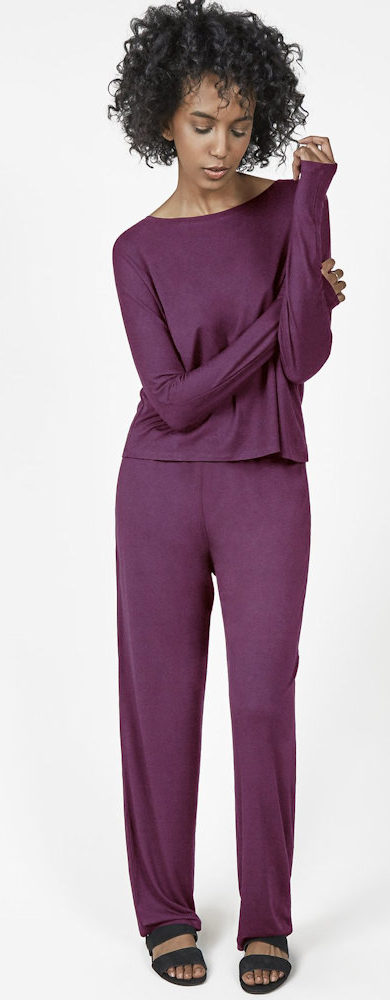
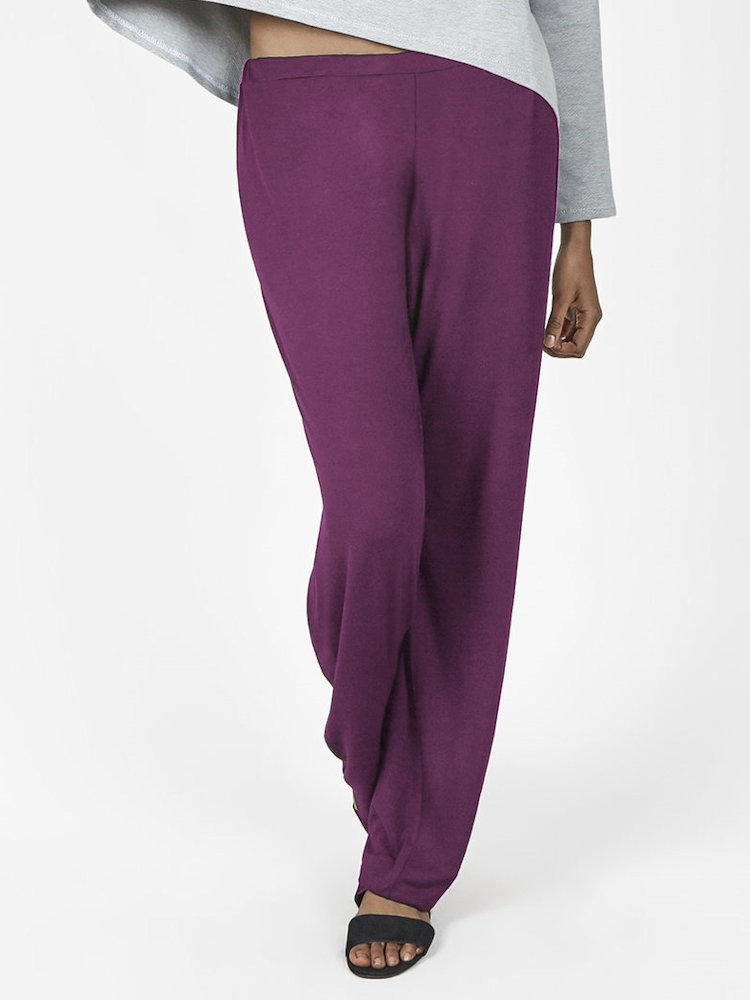
Free stuff is good. Ethically produced, eco-fashionable free stuff is even better! FaeriesDance.com is offering another sustainable fashion giveaway. This time one lucky winner will receive The Mood PJ Set in their choice of size Small (Misses 4-6), Medium (Misses 8-10) or Large (Misses 12-14).
But The Mood isn’t just to sleep in. This beautiful, aubergine colored set is also the perfect loungewear, make-a-coffee-run wear, or pick-up-some-groceries wear. Silky soft bamboo viscose is paired with just a touch of spandex for a luxurious drape and all-day comfort. The set is OEKO-TEX® 100 certified, so you can be confident that it’s safe and non-toxic.
This Mood is designed by San Francisco-Paris collaboration brand, Les Lunes. With shapes and style designed to flatter, Les Lunes mindfully curates a collection of everyday basics to live in, and ethically produces each piece at their own facility in Shanghai.
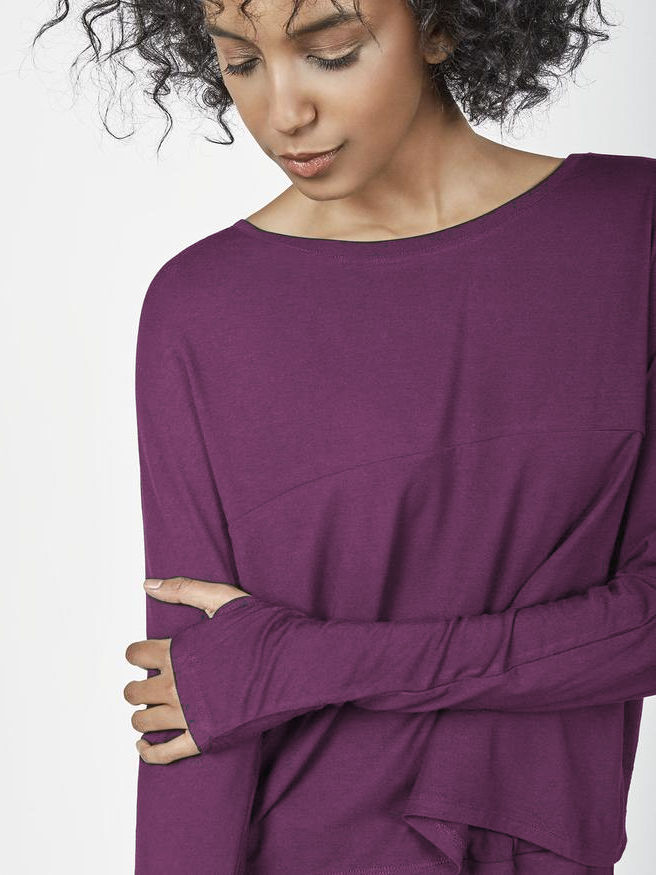
Let’s start at the top. The Mood has a wide, boxy top and has a very relaxed fit through the torso. It’s a crewneck pullover with thumb holes to keep your sleeves in place on wild nights. The top is slightly cropped falling just to the top of the hip, and can easily be worn out and about with your favorite jeans when you just want some comfort with your style.
The Mood lounge pants are ready for sleeping, have you covered on the couch, and are perfectly appropriate when a late night dash to the corner store is required. The pants have a covered elastic waistband, and are extra long so that you can trim them to the perfect length for your height. Soft and fluid with a beautiful drape, no one will blame you for wanting to wear them all weekend long.
How to Enter
Now that you know how crave-worthy The Mood PJ Set is, how do you get yours? Well it’s easy, peasy, just like lounging around in these pajamas on Sunday morning.
First, leave a comment on this post telling us what stands out about this set to you. Then fill out the form below. You can get extra entries by visiting our social media pages and sharing this contest.
New to Faerie’s Dance?
Since 2005 Faerie’s Dance has been a force for good in the fashion world. We support small, sustainable businesses, many of them are women-owned or family-owned. All of our products are ethically produced, providing living wages to the workers that make them both here in the USA and abroad. No sweatshops or child labor are ever involved in the making of our goods. We currently offer more than 1200 sustainable items in our store including organic, natural fiber and recycled clothing, accessories and jewelry. Find out more about our philosophy and our funny name as well as our generous charity policy.
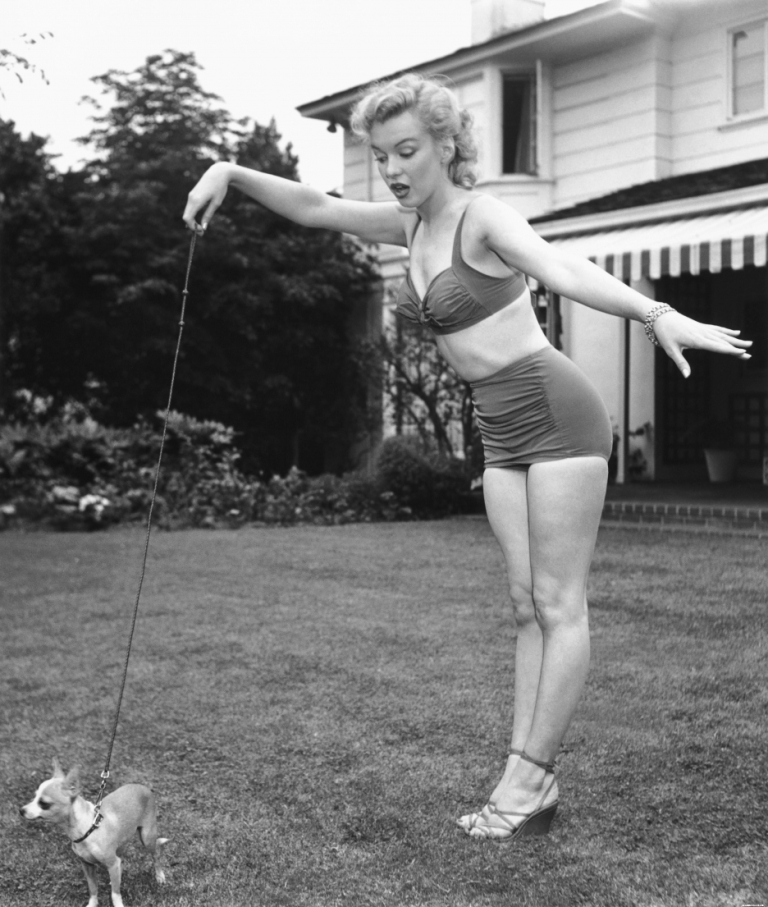
Marilyn Monroe Poses with her Dog in a High-Waisted Bikini
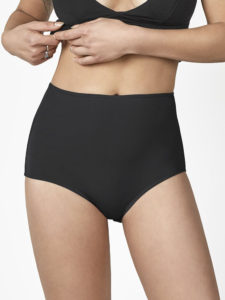
Imagine if you will, a lacy, sexy, panty, ethically made from sustainable materials, that actually sits high on the waist, covering your belly and making you feel retro gorgeous like Marilyn Monroe. It’s not a fantasy! These elusive high-waisted, organic cotton panties actually exist!
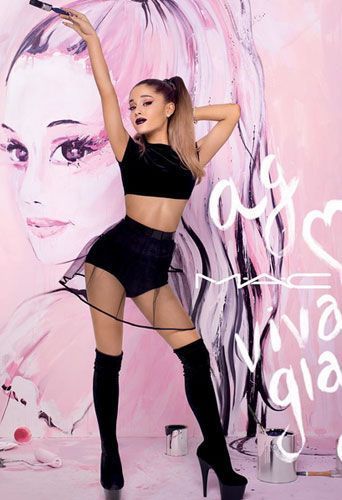
When jeans went low-rise more than a decade ago, so did panties. As a middle-aged woman, wearing undies that accentuated my pooch belly did not make for a happy time for me. But over the last few years, high-rise panties have returned with a vengeance, and gone green! Performers like Ariana Grande (left) and Beyoncé (bottom) have shown off their figures in high rise panties, pushing this retro revival forward.
Beyoncé Sports a High-Rise Bikini.
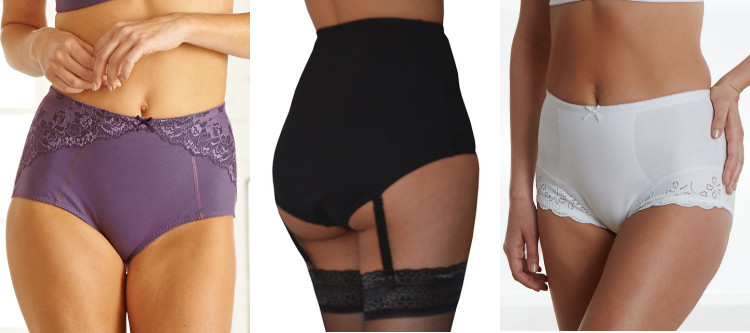
The eco-friendly version of this movement is primarily being spearheaded in Europe, with companies like Swegmark of Sweden, and Peau-Ethique in France showcasing high-waisted panties made from organic cotton and certified Fair Trade. Peau-Ethique even went one step further, making a retro high-waisted panty with an attached garter belt for extra sass. At the start of this trend, we got a humorous, thoughtful write-up from Girly Girl Army about our high-waisted Infinite Support Brief.
Three High Waisted Panty Options all made from Organically Grown Cotton
The Anything But Basic Bamboo High Waisted Brief
More recently, San Francisco-Paris collaboration brand, Les Lunes, released the simple, but ultra-flattering, Anything But Basic High-waisted panty made from a luxurious bamboo fabric. It has less “support” and tummy control than the Swegmark panties and a bit less pizzazz than the Peau-Ethique options. Instead, it comes in at a lower price and has a silky texture surpassing the other options in comfort and barely-know-its-there wearability.
With so many luxury, ethical, sustainable options available, even the most dedicated low-rise fan might want to grab a retro high-waisted panty for under their favorite skirt or dress. What would you choose: flirty lace, tummy-controlling support, barely-there bamboo or a simple organic cotton basic made right here in Oregon? Whatever you decide, we think the retro indulgence of high-waisted panties is back to stay.
In 2005 two full tanks of propane oil spilled out into Mary’s basement due to a faulty valve. The entire house became a toxic oil spill. After two months of attempting to clean up the spill while still living in the house, Mary and her husband gave up and abandoned their home. Unfortunately, they had stayed longer than was prudent, and Mary’s slight chemical sensitivities turned acute.
Mary became allergic to almost every finishing agent, dye, pesticide and petroleum-based product in clothing. She would get paralyzing weakness and severe asthma-like reactions to most garments along with skin rashes and shortness of breath. She started a desperate search to find clothing that didn’t make her sick. She found one company that made 100% organic cotton men’s lounge pants with drawstring waistbands and plain organic cotton t-shirts that she didn’t react to and bought dozens of them. She found she could tolerate organically grown wool that had been processed without chemicals. With a deep love of animals, she was cautious to buy only hand sheared wool from pasture-raised sheep in Ireland. And for the next 8 years, she wore only men’s lounge pants, t-shirts and Irish wool sweaters.
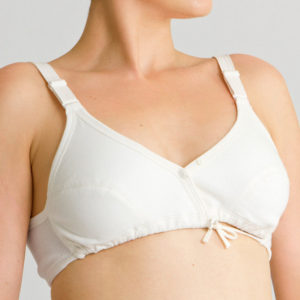
The Allergen-Free Side-Tie Bra offers relief from skin rashes and other sensitivities.
In 2013 she lamented to a friend that what she missed the most was wearing a bra. As an older woman, she was uncomfortable going out without one, especially in summer. However, she couldn’t tolerate them at all and hadn’t been able to wear one in years. Her husband stepped in and did some internet searches for her, and he stumbled upon FaeriesDance.com. He bought her the Allergen-Free Side-Tie Bra.
When it arrived, Mary tried it on, and for the first time in many years, she was not only able to tolerate a bra, but also found it downright comfortable. While it wasn’t the most supportive bra she’d ever worn, she was absolutely thrilled to be able to wear a bra when going out in public and felt feminine for the first time in ages.
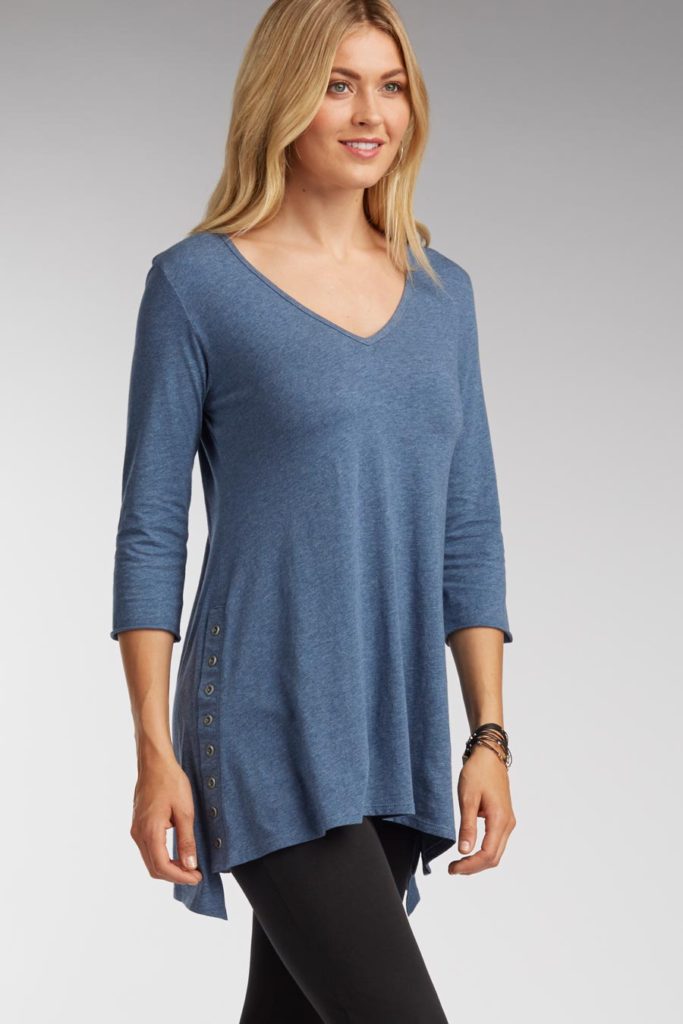
At 100% Organic Cotton with no latex or spandex, Mary was so thrilled with the Button Tunic she had us special order one in every color.
Excited and empowered, Mary called Faerie’s Dance to find out if we could help her with other clothing (and to buy a bunch more bras). After listening carefully to her list of allergies, we recommend a number of beautiful, feminine fashions. She purchased the first few tops manufactured by Indigenous Designs with both trepidation and hope. Every single piece worked! She called again and together we started working on getting her some skirts, and then cardigans, dresses, jackets and finally pants. She literally had no wardrobe at all, so she made a monthly budget and picked up a few new pieces every month.
Since 2013, Mary has not only become a consistent customer, but a friend as well, telling stories of her frog pond, her pets and her life in general. She starts every phone call with what she’s wearing. She picked up the Alba Padded Underwire Bra, and while it does have a touch of spandex in it, she is able to wear it for a few hours at a time for special occasions. She called excited one day to say that when she put on the Alba bra with her Sunny Day Dress, her husband actually did a double take, “checking her out” for the first time in years.
The cheerful Sunny Day Dress
Today Mary says eco-fashion has saved her life. She feels beautiful, comfortable and feminine in her clothes (though she’s too shy to let us post her picture). She’s more comfortable in public and able to dress appropriately for any season. She doesn’t have a single pair of baggy men’s lounge pants left in her closet! When asked after all this time what her very favorite purchase was, she goes back to that original Cottonique bra. She has half a dozen now and wears them every day.
When I started Faerie’s Dance, my focus was on the environmental side of eco-fashion. I quickly learned about the social justice benefits as well. But I was wholly unaware of the many allergy sufferers who were literally getting sick from their clothing. It’s such an honor to help people like Mary find clean, sustainable, fairly traded fashion.